Build trust, knowledge, and demonstrate compliance through transparent reporting and shared learning that supports broader advocacy.
What does it mean?
We recognise that there are still important knowledge gaps around living income, and continued learning is essential to identify the most effective approaches to closing income gaps. Multi-stakeholder coalitions and learning platforms play a key role in sharing what works, what does not, and emerging best practices. Enterprises and organisations are encouraged to share both results and lessons learned, including challenges and failures, to strengthen collective progress.
Tracking progress and sharing insights helps ensure accountability, supports continuous improvement, and builds credibility on living income commitments. This step involves regularly monitoring changes in household income, assessing progress in narrowing the living income gap, and tracking the effectiveness of interventions and income drivers over time.
Clear targets and monitoring systems are essential, including defining measurable improvements and tracking progress against living income gap reduction targets for specific geographies or household segments. This enables organisations to understand what is working, adapt strategies, and strengthen impact over time.
Sharing insights internally and externally, with supply chain partners, investors, and sector initiatives, helps build trust, align efforts, and contribute to collective learning. Transparent reporting also supports alignment with emerging standards and reinforces momentum towards closing living income gaps at scale.
“
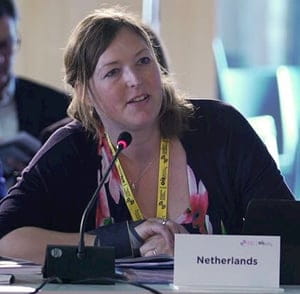
Clear guidance on living wage and living income is needed, and a strong international base supports that. It’s a difficult discussion, so broader support is essential.
Charlotte Bernard– Ministry of Foreign Affairs, Netherlands
Tools & Guidance
Tool
Recommended KPIs for Living Income
Include key indicators on income drivers and overall progress to track and report living income across geographies and supply chains.